
The Ghost in the Machine: How the Ancient SCSI Programming Interface Still Haunts Modern Storage
When you save a file to your lightning-fast NVMe SSD, you're interacting with a ghost. That ghost is the Small Computer System Interface (SCSI), a protocol most consider a relic of the 90s. This article isn't a history lesson; it's a seance, revealing how the fundamental logic and command structures of the SCSI programming interface live on, forming the invisible backbone of the storage you use every day. We're not talking about the physical parallel cables and terminators of yesteryear; we're talking about the language of storage itself—a language whose grammar was defined by SCSI decades ago and is still spoken by the most advanced systems on the planet. Prepare to see the phantom logic that dictates how your data moves.
Read MoreHealth
View all →

Don't Hit 'Print' Yet: A Professional Printer's Secrets to a Flawless Book from Word

Beyond the Blooms: How to Pot a Flower to Nurture Your Mind

The Spellbinding Commute: Which Boston to Salem Route Matches Your Traveler Vibe?
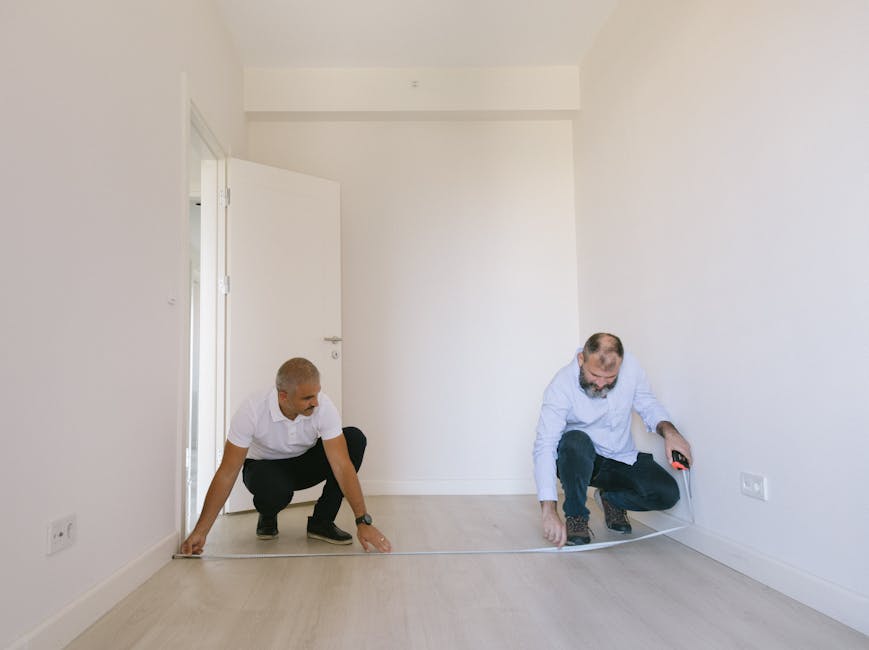
Don't Blame the Prop: Is Your Outboard Shaft Length the Real Performance Killer?
DIY & Crafts
View all →Beyond the Pipe Cleaner: The Secret to Crafting Gallery-Worthy Borax Crystal Sculptures
You remember the fuzzy pipe-cleaner snowflakes from science class. Now, forget them. What if you could use that same basic chemistry to grow a dazzling crust of crystals over a piece of driftwood or create a sparkling, geode-like sculpture from a simple stone? This guide isn't about making ornaments; it's about kitchen alchemy to create stunning, one-of-a-kind art for your home. We are moving beyond the rudimentary to embrace a process that marries geology with intention, transforming humble, natural objects into objets d'art that command attention. This is your masterclass in crystalline transformation.
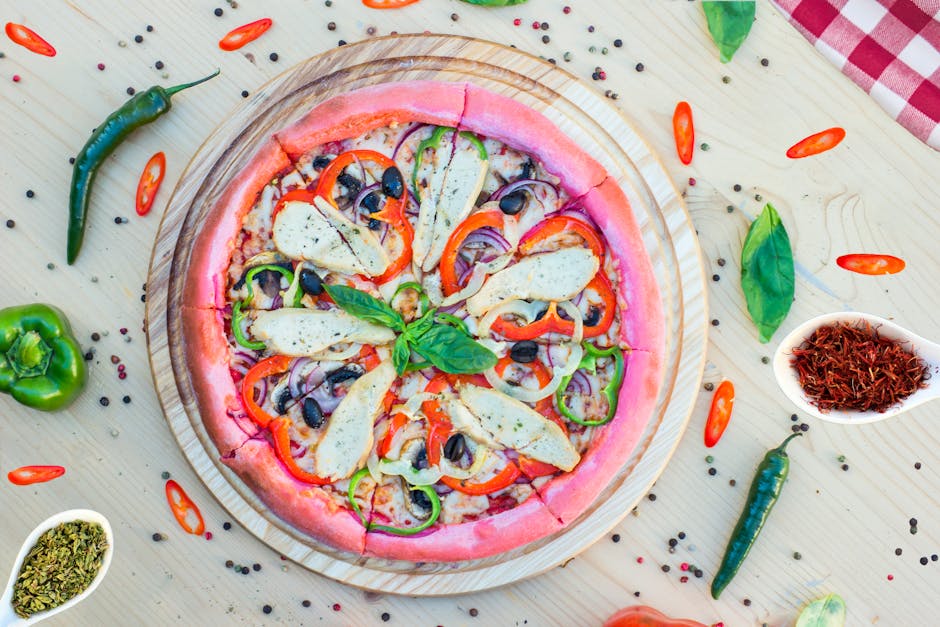
Pink, Perfected: The Food Science Secrets to Creating a Spectrum of Natural Hues (That Won't Fade When Baked)
You carefully crafted a beautiful, natural pink frosting from beets, only to watch it fade to a sad, brownish-beige after an hour. The frustrating truth is that most homemade food colors are unstable. Forget simple recipes; this guide dives into the kitchen chemistry, teaching you how to lock in vibrant, bake-proof pinks that last. We will dissect the molecular behavior of the two primary natural pink pigments—anthocyanins and betalains—and provide a professional toolkit for manipulating pH, mitigating heat damage, and preventing oxidation. This is not about approximation; this is about precision and control.